General Dentist Santa Clarita CA Guidance for Preventive Smile Care
A healthy smile rarely comes down to luck. In practice, it is usually the result of ordinary habits done consistently, paired with timely professional care. That sounds simple, but preventive dentistry is where small decisions add up. The patient who swaps a sugary sports drink for water, keeps a night guard from wearing through, and comes in when a filling feels “slightly off” often avoids the larger, costlier treatment later.
That is especially true local dentist in Santa Clarita in a community like Santa Clarita, where families juggle work, school schedules, sports, commuting, and the thousand moving parts of daily life. Preventive care has to be realistic or it does not stick. People do not need a perfect routine. They need one they can repeat when life gets busy.
When patients search for a general dentist Santa Clarita CA families can rely on, they are often looking for more than a place to get a cleaning. They want practical guidance, sound judgment, and a long-term partner who can help them keep problems small. Preventive smile care sits right at the center of that relationship.
The real purpose of preventive dentistry
Preventive dentistry is often reduced to “brush, floss, and see your dentist twice a year.” Those basics matter, but the real purpose runs deeper. It is about preserving natural tooth structure, maintaining healthy gums, protecting bite function, and catching changes early enough that treatment remains conservative.
A tiny area of enamel demineralization can sometimes be stabilized before it becomes a cavity. Mild gingivitis can often be reversed before it progresses into deeper periodontal issues. A cracked filling noticed during an exam may be repaired in one visit, while the same tooth ignored for months might end up needing a crown or root canal.
This is where experience matters. Prevention is not just a checklist. It is pattern recognition. A dentist who has seen how wear facets develop, how recession advances, or how children’s molars trap plaque in deep grooves will often notice the early signs before a patient feels anything at all.
That early window is valuable because dentistry becomes more complex as damage accumulates. Enamel does not regenerate. Gum attachment lost to periodontal disease does not simply grow back on its own. Once the bite changes significantly from missing teeth or advanced wear, even straightforward care can require more planning. Preventive care protects options.
What routine visits are actually looking for
Patients sometimes assume a checkup is mostly about polishing teeth. In reality, a preventive visit gathers a surprising amount of information. Even when nothing hurts, your dental team is paying attention to changes in the teeth, gums, bite, restorations, and oral tissues.
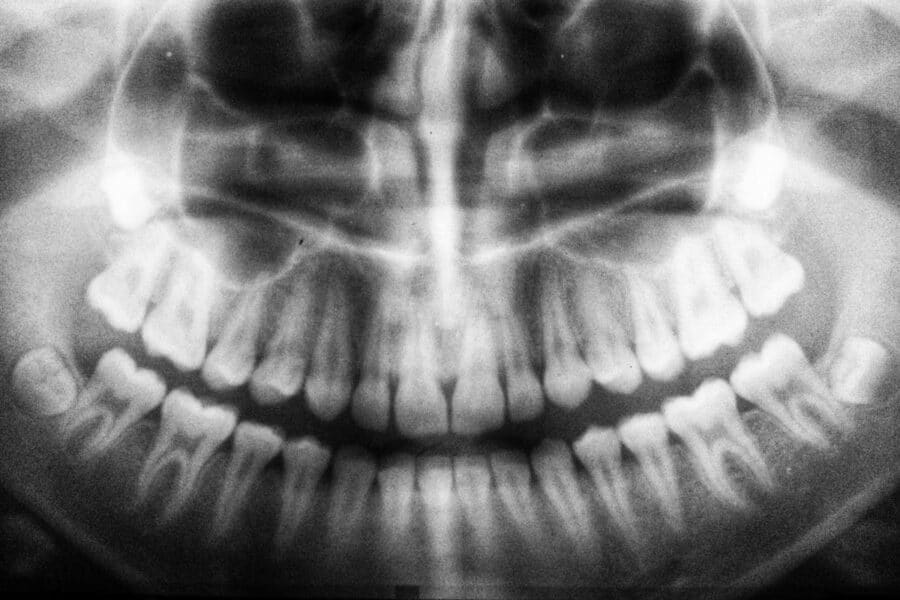
A routine exam often assesses whether old fillings are beginning to leak, whether plaque tends to collect in certain areas, whether gum pockets are stable, whether grinding is leaving fresh wear, and whether any suspicious lesions need monitoring. X-rays, when appropriate, help reveal what the eye cannot see, such as decay between teeth, bone changes, impacted teeth, and infections at the root level.
Cleanings matter for another reason that patients often feel but do not fully see. Tartar is not just “stuck plaque.” Once plaque hardens into calculus, brushing at home will not remove it. That rough surface then makes it easier for more plaque to accumulate, especially near the gumline. Professional cleaning interrupts that cycle.
The frequency of visits is not the same for everyone. The classic six-month interval works well for many people, but it is not a law of nature. Someone with a history of gum disease, heavy tartar buildup, dry mouth, orthodontic appliances, or frequent cavities may benefit from more frequent maintenance. On the other hand, a low-risk patient with excellent home care and stable oral health may have different needs. Good preventive dentistry is tailored, not mechanical.
The home habits that make the biggest difference
Most preventive progress happens at home, not in the dental chair. That is good news because home care is also where patients have the most control. The catch is that technique matters more than good intentions.
Brushing twice a day is useful only if the brush reaches the gumline and all tooth surfaces. Many adults rush through in under a minute and miss the same areas repeatedly, often around the back molars and the tongue side of lower front teeth. A soft-bristled brush and fluoride toothpaste are usually the best starting point. The goal is thoroughness, not force. Scrubbing hard does not clean better. It tends to wear surfaces and irritate gums.
Cleaning between the teeth matters because cavities and gum inflammation often begin where bristles do not reach. Some patients do well with floss. Others are more consistent with interdental brushes, floss picks, or a water flosser as a supplement. The best method is the one a person will use correctly every day. There is no prize for buying the “perfect” tool and leaving it unopened in a cabinet.
Diet plays a larger role than many expect. It is not just the amount of sugar that matters, but the frequency of exposure. Sipping sweetened coffee all morning or nursing a sports drink through practice keeps teeth bathed in acids and sugars for extended stretches. I have seen patients with otherwise careful routines develop a surprising pattern of decay simply because they were slowly drinking acidic beverages over several hours a day.
A practical way to improve preventive care at home is to focus on a few high-value behaviors:
- Brush for a full two minutes, morning and night, with fluoride toothpaste.
- Clean between the teeth once daily with a method you will actually maintain.
- Limit frequent snacking and long sipping sessions with sweet or acidic drinks.
- Drink water regularly, especially after meals or coffee.
- Replace a worn toothbrush or electric brush head before it loses effectiveness.
Those five habits are not glamorous, but they prevent an enormous amount of trouble over time.
Why gum health deserves more attention
Many people judge oral health by whether they have cavities, but gum health is just as important. In adults, bleeding gums are often treated as normal because they are so common. They are not normal. They are a sign of inflammation.
Early gum disease, or gingivitis, may show up as bleeding during brushing, tenderness, puffiness, or persistent bad breath. At that stage, consistent home care and professional cleanings can often reverse the process. When inflammation continues unchecked, it can progress into periodontitis, where deeper structures are affected and bone loss may occur.
One challenge is that gum disease can be surprisingly quiet. A patient may have no sharp pain, so there is little urgency to act. Meanwhile, pockets deepen, calculus accumulates below the gumline, and support around the teeth weakens. By the time mobility becomes noticeable, the condition is much harder to manage.
Preventive gum care is often where personalized advice matters most. A person with tightly spaced teeth may need different interdental cleaning tools than someone with recession and wider spaces. A patient taking medications that reduce saliva may need more frequent hygiene visits. Someone with dexterity limitations may benefit from adapting their routine rather than being told to “just floss better.”
The same principle applies to smokers and former smokers, who often present differently. Smoking can mask visible bleeding even when disease is active, which means the gums may look less inflamed than they really are. Prevention in those cases depends on careful exams, imaging when indicated, and direct, honest conversations.
Cavities do not happen overnight
Patients are often frustrated when they hear they have a cavity despite brushing daily. That frustration is understandable, but decay is rarely caused by one mistake or one missed night. It tends to reflect a pattern.
Cavities form when bacteria in plaque metabolize carbohydrates and produce acids that lower the pH around the tooth. Repeated acid attacks weaken enamel. If remineralization cannot keep up, the surface breaks down and decay progresses. Fluoride helps because it strengthens enamel and supports remineralization, but fluoride is not a magic shield against constant sugar exposure, poor brushing, or severe dry mouth.
Location matters too. Some teeth are naturally harder to keep clean. Deep grooves on back molars, tight contacts between teeth, and areas around old dental work can all become trouble spots. Children and teens, even with good intentions, often miss the chewing surfaces of erupting molars. Adults may collect plaque around receding gumlines, where root surfaces are more vulnerable than enamel.
That is why preventive dentistry is not about blame. It is about understanding risk. Two patients can have equally sincere home habits and very different cavity patterns because their saliva flow, diet, anatomy, medications, and history differ. A skilled general dentist Santa Clarita CA patients trust will look at that whole picture before recommending preventive strategies.
The role of fluoride, sealants, and other protective measures
Some preventive tools deserve more credit because they quietly work in the background. Fluoride is one of them. Whether delivered through toothpaste, rinses, varnish, or community water in some areas, fluoride supports the enamel’s ability to resist acid damage. For patients with frequent cavities, sensitivity, braces, or dry mouth, professional fluoride applications may be a sensible addition.
Dental sealants are another underused preventive option, especially for children and teens. Sealants are thin protective coatings placed in the grooves of molars where food and bacteria tend to collect. They do not replace brushing, but they can reduce the risk of decay in anatomy that is notoriously difficult to keep clean. I have seen plenty of young patients with excellent effort still struggle on those deep chewing surfaces. A sealant can buy valuable protection during the cavity-prone years.
Mouthguards and night guards also belong in the preventive category, though patients do not always think of them that way. A child who plays contact sports risks chipped or avulsed teeth. An adult who grinds at night may slowly flatten enamel, crack fillings, and strain jaw muscles for years before serious symptoms show up. Custom protection can prevent a surprising amount of restorative work.
Dry mouth management is another area where prevention often gets overlooked. Saliva is protective. It helps wash away food debris, buffer acids, and support remineralization. Patients taking certain antihistamines, antidepressants, blood pressure medications, or other prescriptions may notice chronic dryness. Those patients often need a more intentional preventive plan, sometimes including prescription-strength toothpaste, more frequent cleanings, and diet counseling tailored to their risk level.
Children, teens, and the preventive habits that last
Parents often ask when preventive care really begins. The answer is earlier than many expect. Good oral habits start before a child can brush alone. Wiping gums, introducing a soft infant brush when teeth erupt, avoiding prolonged bedtime bottles with sugary liquids, and teaching parents what to watch for all make a difference.
The school-age years are where routines either settle in or drift. Children who learn to brush independently still need supervision longer than most parents think. It is common for a child to know the motions but lack the patience and coordination to be effective. Plaque disclosure tablets can be eye-opening because they turn “I brushed” into something visible.
Teen years bring different challenges. Diet changes, busy schedules, energy drinks, sports, orthodontics, and less parental oversight can all increase risk. Braces and aligners demand more discipline with cleaning. Retainers, if neglected, can become bacterial reservoirs. Late-night snacking and frequent sweetened coffee runs do not help.
A preventive approach for younger patients works best when it is practical rather than preachy. Instead of trying to impose a perfect routine overnight, it helps to identify the one or two habits most likely to change outcomes. For one child, that may be sealing newly erupted molars and improving nighttime brushing. For a teenager, it may be reducing sports drink use and cleaning more carefully around brackets.
Adults often have different preventive priorities
Adult preventive care often shifts from avoiding the first cavity to maintaining old dental work, preserving gum support, and protecting teeth from wear. Fillings, crowns, implants, and bridges can last many years, but they all need monitoring. Restorations do not make a tooth immune to future issues. Margins can weaken, cement can fail, and decay can form around existing work.
Grinding is also common in adults, especially under stress or during periods of disrupted sleep. Sometimes the signs are subtle. A patient may report morning jaw tightness, headaches near the temples, or a tooth that suddenly feels sensitive when chewing. On exam, there may be flattened edges, tiny enamel fractures, or chipped porcelain. Catching those signs early can prevent more extensive damage.
Recession is another frequent concern. As gums recede, the root surfaces become more exposed. These areas can be sensitive and are more susceptible to decay. Preventive care then has to balance effective plaque removal with gentle technique. Patients often improve simply by switching from a hard brush and forceful horizontal scrubbing to a softer, more controlled method.
For older adults, medication use, reduced dexterity, and changes in salivary flow often shape preventive recommendations. Patients who care for aging parents know this firsthand. Oral hygiene can become physically harder just as the consequences of neglect become more serious. In those cases, prevention may involve electric toothbrushes, fluoride products, shorter recall intervals, and assistance from caregivers.
Choosing preventive care that fits real life
One of the most important things a dental office can do is make prevention realistic. Advice that sounds reasonable in a textbook can fail in an actual household. A parent trying to get three children out the door for school may not need a lecture on perfection. They need an efficient routine that catches the biggest risks. A shift worker with dry mouth and inconsistent sleep may need a very different schedule than a retiree with stable oral health.
That is why preventive plans should account for actual behavior, not ideal behavior. If a patient says they will never floss traditionally, the conversation should move quickly to what they will do. If orthodontic care makes cleaning harder, then preventive support needs to increase during that period rather than waiting for problems to appear. If a patient has not seen a dentist in years because of anxiety, then rebuilding trust may itself be the most important preventive step.
The strongest preventive relationships are built on specificity. “Brush better” is vague and forgettable. “Spend ten extra seconds on the tongue side of your lower front teeth because tartar collects there every time” is concrete. “Your enamel looks good, but the grooves on these back molars trap plaque” gives a patient something useful to act on. People follow advice when it feels connected to their own mouth, not to a generic script.
What to watch for between appointments
Preventive care also means knowing when not to wait. Some dental changes deserve attention even if your next cleaning is only a few months away. A filling that feels rough, a tooth that suddenly traps food, new sensitivity to cold, bleeding in one specific area, or a sore that does not heal can all be worth a prompt evaluation.
Patients sometimes delay because the discomfort seems minor. That is understandable. Dental problems do not always start dramatically. But many of the easier, less invasive fixes happen in that early stage. A small chip can be smoothed or bonded. A loose crown can sometimes be recemented if addressed quickly. A reversible irritation can be monitored before it becomes something more complicated.
If there is one practical rule that saves patients trouble, it is this: changes matter. Teeth and gums are generally stable when healthy. If something feels different and stays different, it deserves attention.
A steady approach protects both smile and budget
Preventive dentistry is often discussed in terms of health, which makes sense, but it has a financial dimension too. Small, planned care is usually less expensive and less disruptive than larger, reactive treatment. A routine exam and cleaning are simpler to manage than emergency pain, a broken tooth before a trip, or a neglected cavity that reaches the nerve.
That does not mean every problem can be avoided. Genetics, anatomy, age, injury, medications, and life circumstances all play a role. Even very conscientious patients sometimes need treatment. The point of prevention is not perfection. It is risk reduction, earlier detection, and better odds of keeping natural teeth healthy and functional for as long as possible.
For patients looking for a general dentist Santa Clarita CA residents can turn to for preventive smile care, the most valuable care often looks ordinary from the outside. A thoughtful exam. A hygienist who notices a pattern before it worsens. A recommendation that fits the patient’s actual routine. A prompt repair before a crack spreads. These are quiet wins, but they are the reason many smiles stay healthy year after year.
Preventive care does not need to be complicated to be effective. It needs consistency, clear guidance, and follow-through. When those pieces are in place, the results tend to show up not in one dramatic moment, but in the long stretch of years when your teeth keep doing exactly what they should.
Smyle Dental Newhall
Address: 23754 Newhall Ave, Santa Clarita, CA 91321
Phone number: +16612559200
FAQ About General dentist Santa Clarita CA
What does it mean by general dentist?
A general dentist is your primary dental care provider. They focus on the overall prevention, diagnosis, and treatment of your daily oral health needs. Think of them as your primary care doctor, but for your teeth and gums.
What is the difference between a dentist and a general dentist?
A dentist is a broad professional title for any licensed oral healthcare provider, while a general dentist is a specific type of primary care dentist who focuses on routine, preventive, and everyday treatments.
What is the difference between a dentistry practitioner and a dentist?
A dentist is a licensed doctoral-level healthcare professional, whereas a dental practitioner is a broader umbrella term that can include dentists as well as other trained oral health professionals.